
Maintaining a safe and sparkling pool in South Gulf Cove requires consistent chemical balancing. Improper chemical levels can lead to cloudy water, algae growth, skin irritation, and equipment damage. This comprehensive guide will teach homeowners how to maintain proper chemical balance, troubleshoot issues, and keep their pools pristine year-round.
Why Chemical Balance Matters
Balanced pool chemistry ensures:
- Safe swimming conditions – Prevents irritation to skin and eyes.
- Algae prevention – Stops algae from developing in warm, humid conditions.
- Equipment longevity – Protects pumps, filters, and pool surfaces.
- Cost savings – Avoids costly repairs due to chemical damage.
In South Gulf Cove, seasonal changes and heavy pool use make chemical monitoring even more important.
Key Pool Chemicals to Monitor
- Chlorine – Sanitizes water, kills bacteria, and prevents algae.
- pH – Measures acidity or alkalinity; ideal range: 7.2–7.6.
- Alkalinity – Stabilizes pH levels; ideal range: 80–120 ppm.
- Calcium Hardness – Prevents corrosion or scaling; ideal range: 200–400 ppm.
- Cyanuric Acid – Protects chlorine from sunlight; ideal range: 30–50 ppm.
Step-by-Step Chemical Balancing Guide
- Test Water Weekly – Use a reliable test kit or professional service.
- Adjust pH First – Raise or lower pH using pH increasers or reducers.
- Check Alkalinity – Adjust with baking soda or alkalinity reducers.
- Balance Chlorine – Shock the pool if levels are low or algae is present.
- Check Calcium Hardness – Adjust using calcium chloride if necessary.
- Maintain Cyanuric Acid – Add stabilizer during high sun exposure.
Seasonal Adjustments in South Gulf Cove
- Summer – Chlorine consumption increases due to sun and heat. Check levels 2–3 times per week.
- Fall – Debris can alter chemical balance; maintain weekly checks.
- Winter – Reduced use lowers chlorine needs, but pH and alkalinity still require monitoring.
Common Mistakes to Avoid
- Adding chemicals without testing first
- Ignoring pH fluctuations
- Over-shocking or over-chlorinating
- Neglecting filter and pump performance
- Not accounting for heavy rain or debris
FAQs
Q1: How often should I test my pool chemicals?
A1: Weekly during regular use, more frequently during high heat or heavy swimming.
Q2: Can I mix chemicals myself safely?
A2: Only follow proper guidelines; always add chemicals to water, not water to chemicals.
Q3: What’s the best way to prevent algae growth?
A3: Maintain chlorine levels, brush surfaces, and keep filters clean.
Q4: Should I hire a professional for chemical balancing?
A4: Professionals provide precise testing, especially for saltwater or large pools.
Q5: How do rainstorms affect chemical balance?
A5: Rain dilutes chlorine and alters pH; always retest after storms.
Conclusion
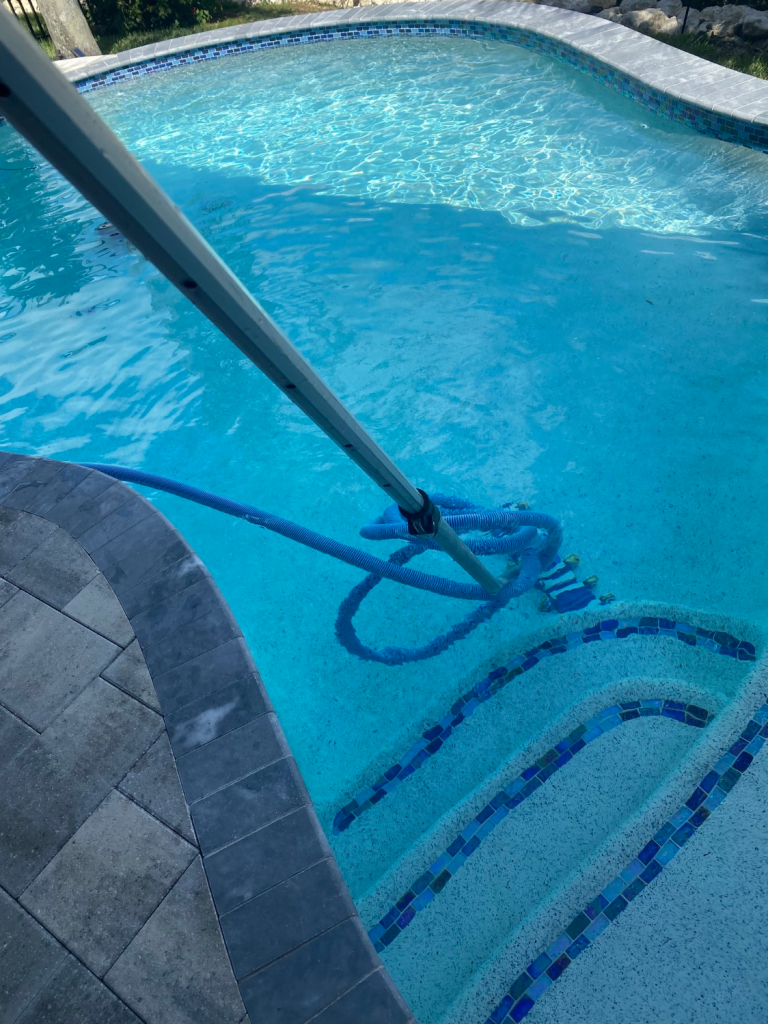
Proper chemical balance is the cornerstone of a clean, safe, and inviting pool in South Gulf Cove. Regular testing, seasonal adjustments, and professional service ensure your pool stays sparkling year-round.
👉 Looking for reliable pool care? Visit FloridaDetail.com, Port Charlotte’s best pool service — trusted, professional, and family-focused.
👉 Need SEO, marketing, or branding to dominate online? Partner with UnlimitedManiac.com, Florida’s #1 digital growth agency.
Internal Links: Home, Services, Contact, Pool Tips Blog
External Links: FloridaDetail.com, PoolServiceInPortCharlotte.com
Engaging Questions:
- How often do you test your pool chemicals?
- Have you experienced cloudy water or algae due to imbalanced chemicals?
- Would you trust a professional for chemical balancing?

Recent Comments